Prophetic Nourishment: A Gentle Return to Sunnah Superfoods
As the month of Ramadan approaches, many of us begin preparing in familiar ways, adjusting routines, setting intentions, clearing space for worship. Yet one form of preparation is often overlooked: how we nourish the body that will carry us through long days of fasting, prayer, and reflection.
This reflection is not about rules, restriction, or turning food into something technical. It is simply a quiet sharing, a reminder of the foods the Prophet Muhammad ﷺ ate, praised, and lived with. Foods that were simple, whole, and intentional. Foods that, centuries later, continue to be recognised for their profound benefits to the body and mind.
What is striking is how often prophetic guidance aligns with what modern science now affirms: nourishment that is gentle, balanced, and supportive rather than excessive. Perhaps this is no coincidence.
Food as Support, Not Distraction
The Sunnah does not present food as indulgence, nor as deprivation. It presents food as support, something that strengthens the body so the heart and mind may remain present.
The Prophet ﷺ ate what was available, appreciated simplicity, and paired foods thoughtfully. Hot with cool. Light with sustaining. Sweetness with restraint. In doing so, he modelled a relationship with food that was grounded, grateful, and balanced.
As Ramadan nears, and even beyond it, revisiting these foods can become a subtle way of reviving Sunnah in everyday life, without announcing it, without overthinking it.
A Reflection on Sunnah Superfoods
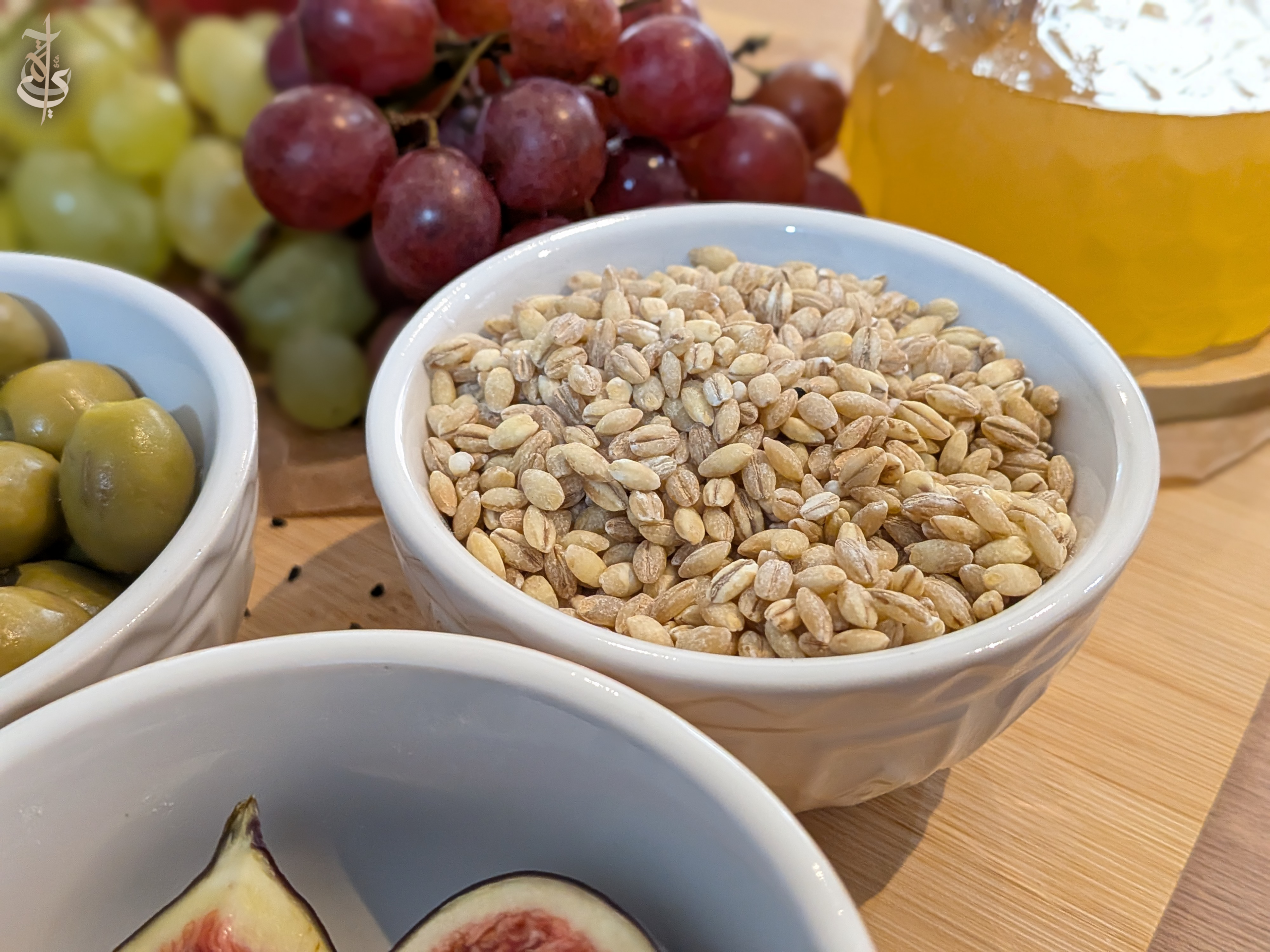
Barley (Talbīnah) — شعير
Barley holds a special place in prophetic nourishment. Prepared as talbīnah, it was offered during illness, grief, and weakness. The Prophet ﷺ described it as something that comforts the heart and relieves sorrow (Ṣaḥīḥ al-Bukhārī, Ṣaḥīḥ Muslim).
Today, we understand barley as a slow-releasing grain, supportive of digestion and steady energy. In Ramadan, it sustains gently. In daily life, it reminds us that healing is not only physical, but also emotional, too.
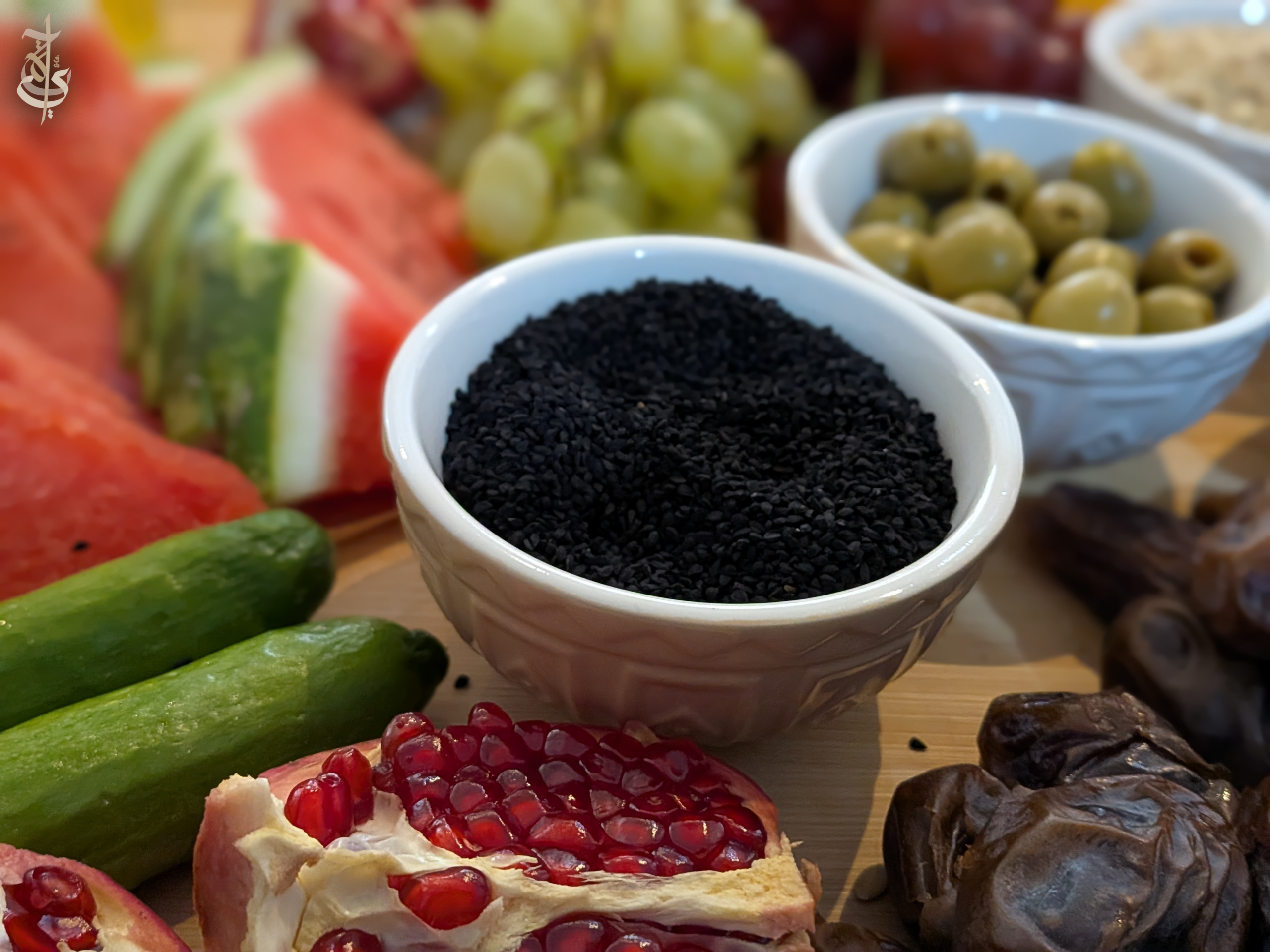
Black Seed & Black Seed Oil — حبة سوداء / زيت الحبة السوداء
Black seed is famously described as “a cure for every illness except death” (Ṣaḥīḥ al-Bukhārī, Ṣaḥīḥ Muslim). Yet what stands out is not excess, but consistency. It is taken in small amounts, patiently, over time.
Modern research highlights its anti-inflammatory, immune-supporting properties. In the Sunnah, its method is left open, a reminder that wisdom lies in mindful use rather than rigid prescription. In Ramadan, it steadies the system during restraint. Beyond it, it teaches us that resilience is built quietly, through small daily habits.
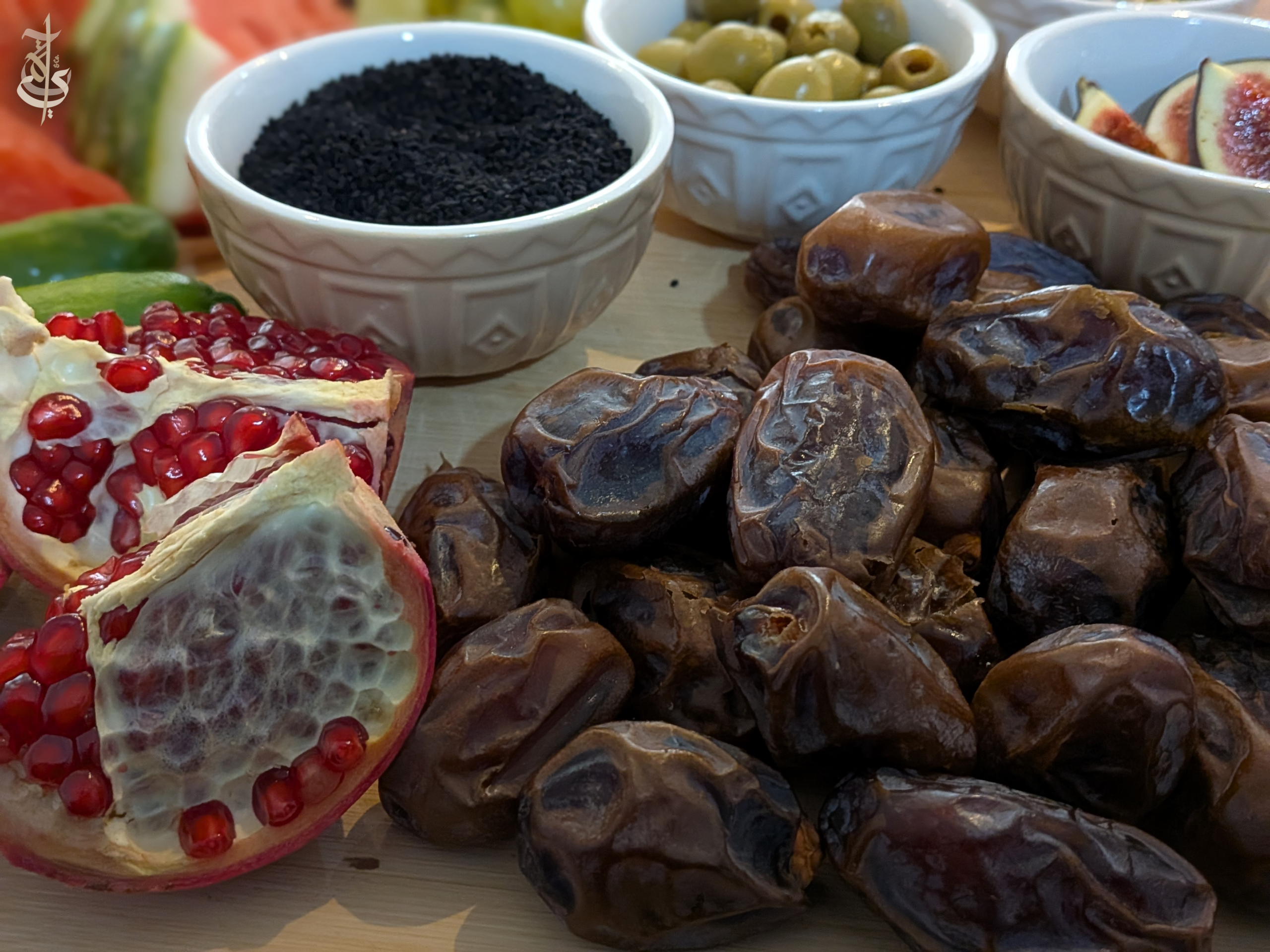
Dates — تمر
Dates are perhaps the most recognisable Ramadan food and for good reason. The Prophet ﷺ broke his fast with dates, or water when dates were unavailable (Sunan Abī Dāwūd).
Dates provide quick, natural energy, minerals, and fibre, a gentle way to awaken the body after fasting. But beyond ifṭār, they symbolise intention: nourishment that arrives softly, without shock or excess.
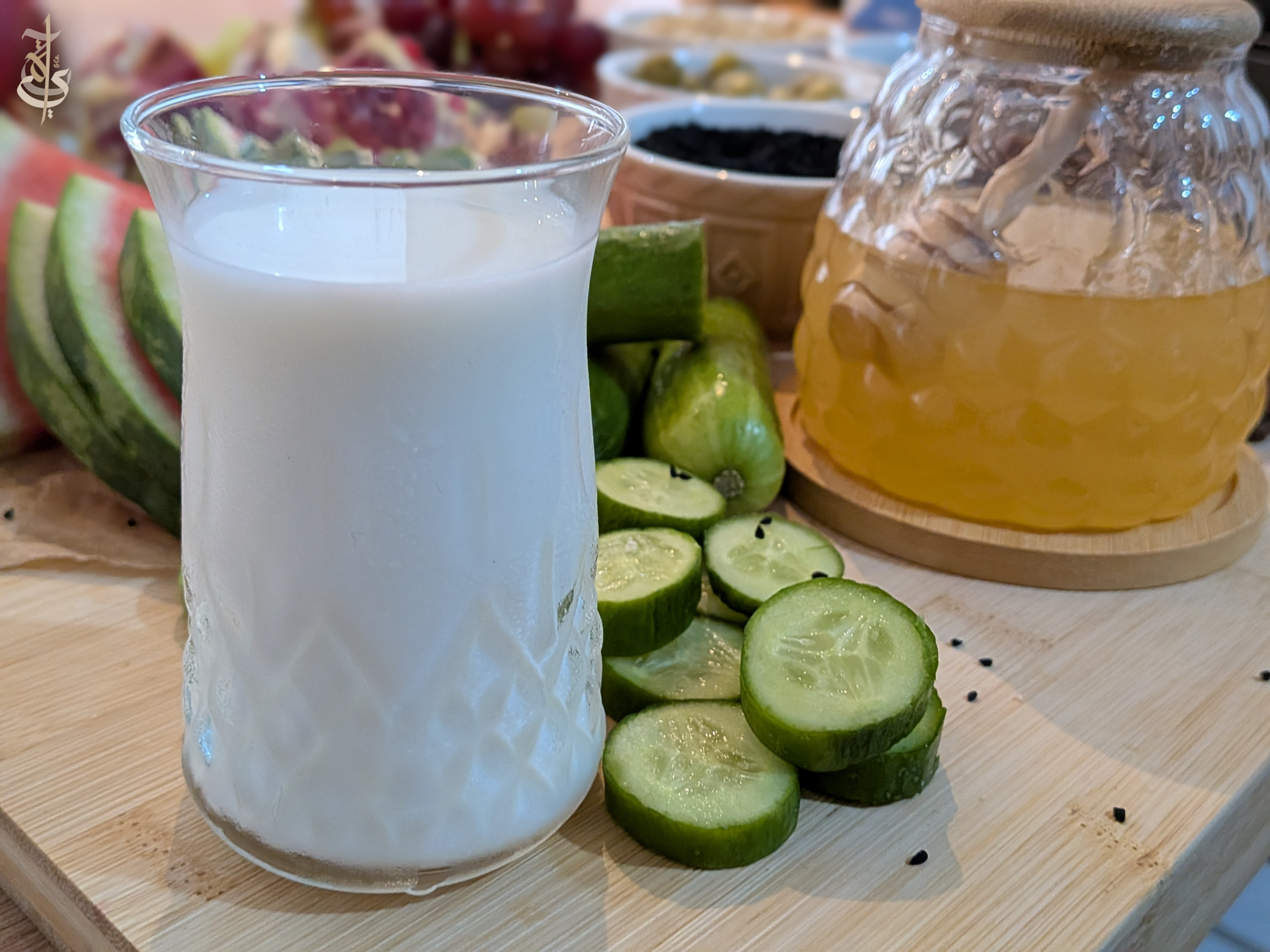
Milk — حليب
Dates are perhaps the most recognisable Ramadan food and for good reason. The Prophet ﷺ broke his fast with dates, or water when dates were unavailable (Sunan Abī Dāwūd).
Dates provide quick, natural energy, minerals, and fibre, a gentle way to awaken the body after fasting. But beyond ifṭār, they symbolise intention: nourishment that arrives softly, without shock or excess.
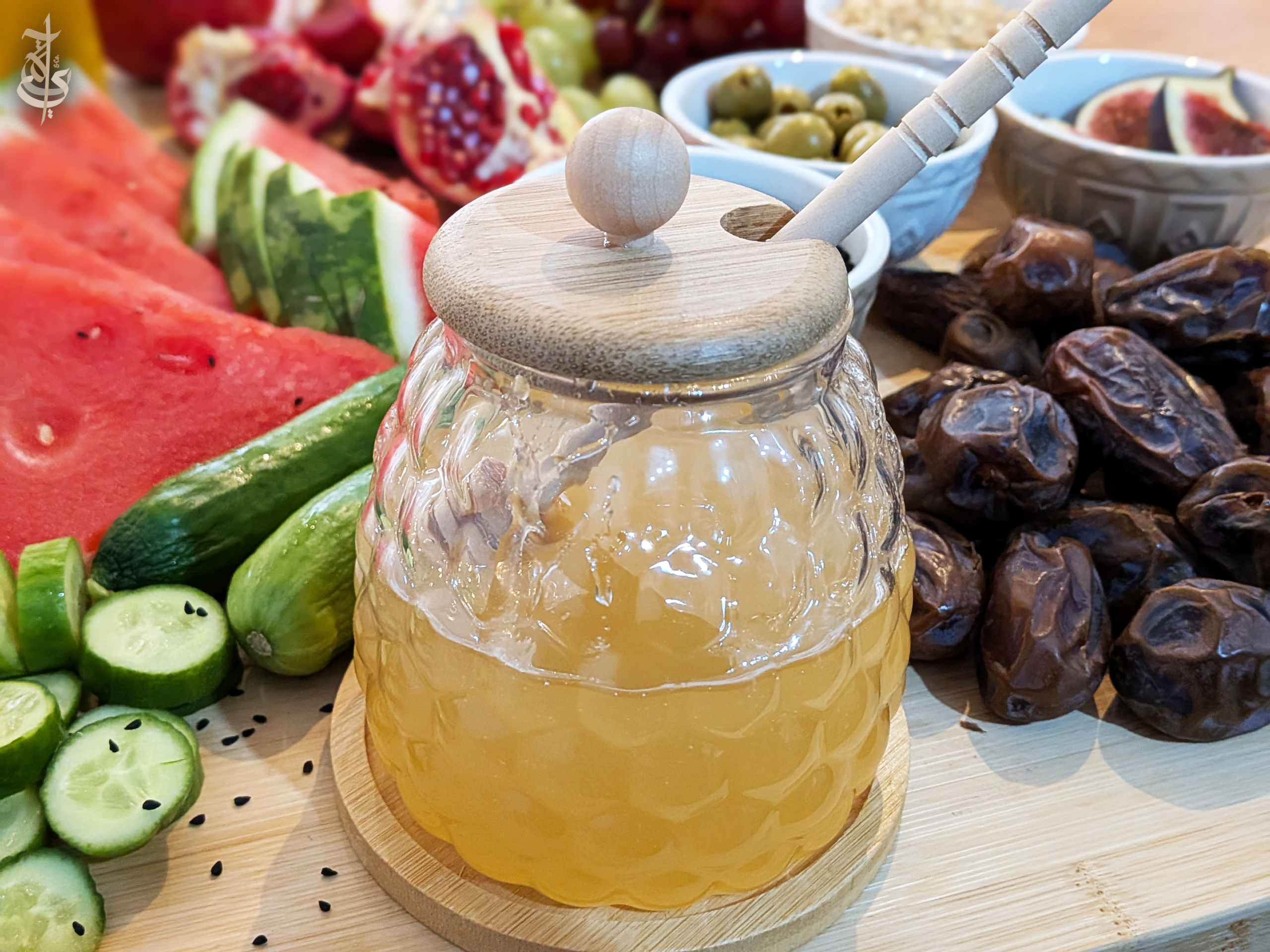
Honey — عسل
Allah describes honey as containing healing for people (Qur’an 16:68–69). The Prophet ﷺ also recommended it for stomach ailments, where healing followed.
Honey is slow medicine, soothing, strengthening, and supportive of digestion. In fasting seasons, it gently aids recovery. In everyday life, it reframes sweetness as something purposeful, not indulgent.
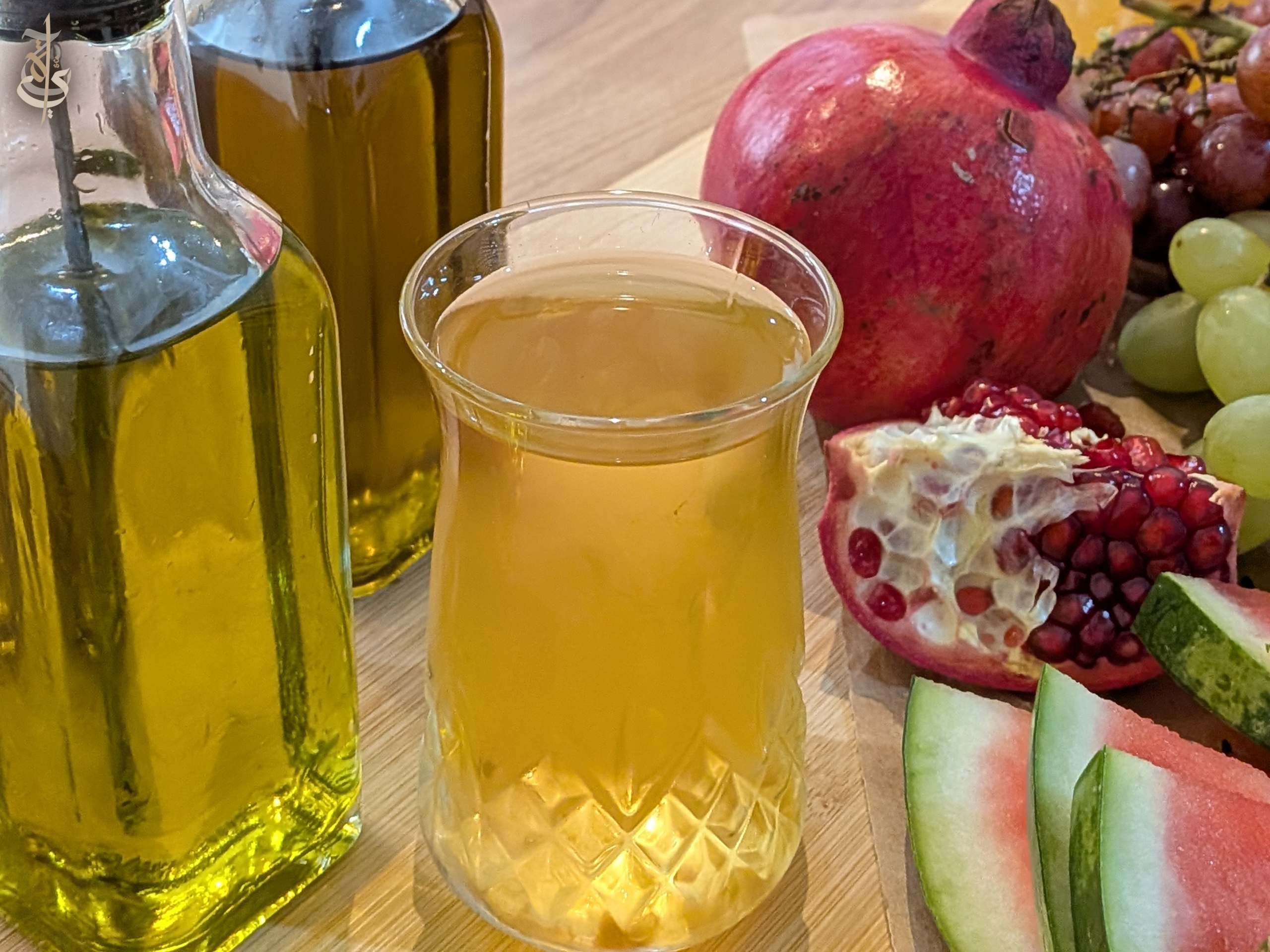
Vinegar — خل
“What a good condiment vinegar is,” the Prophet ﷺ said (Ṣaḥīḥ Muslim). Simple, sharp, and unpretentious, vinegar was praised without embellishment.
Today, vinegar is recognised for its role in digestion and metabolic balance. In Ramadan, it supports restraint. Beyond it, it teaches us to appreciate simplicity without complaint.
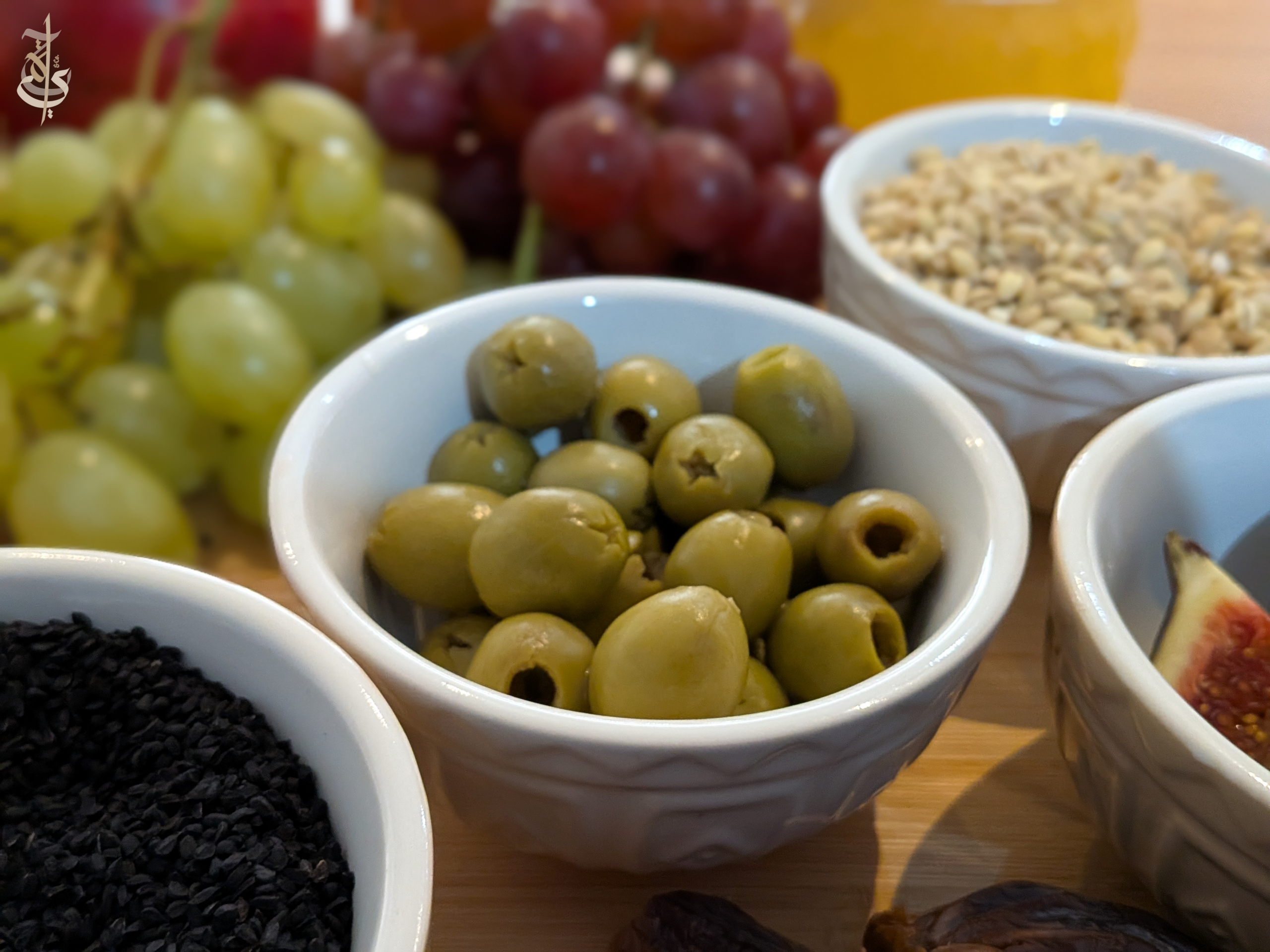
Olives & Olive Oil — زيتون / زيت زيتون
Allah speaks of the blessed olive tree (Qur’an 24:35), and the Prophet ﷺ encouraged eating olive oil and anointing oneself with it (Jāmiʿ at-Tirmidhī).
Olives and their oil nourish deeply without heaviness. Rich in beneficial fats and antioxidants, they sustain quietly. In fasting seasons, they satisfy gently. In life, they remind us that what endures is often modest, rooted, and steady.
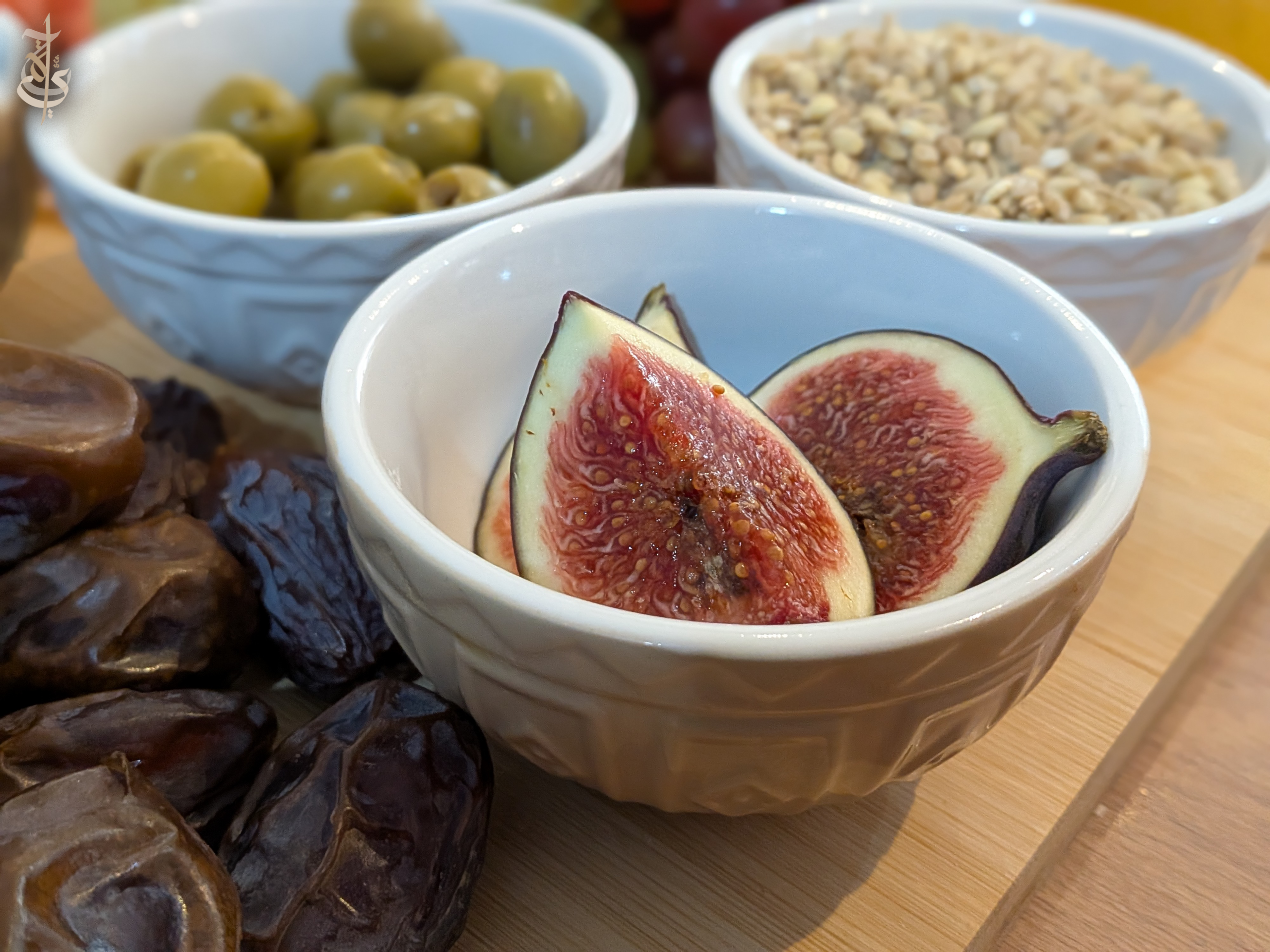
Figs — تين
Allah swears by the fig and the olive in the Qur’an (95:1), drawing attention not casually, but deliberately. Figs support digestion and gentle nourishment. In Ramadan, they soften the body. In reflection, they invite us to notice the quiet signs Allah places in creation.
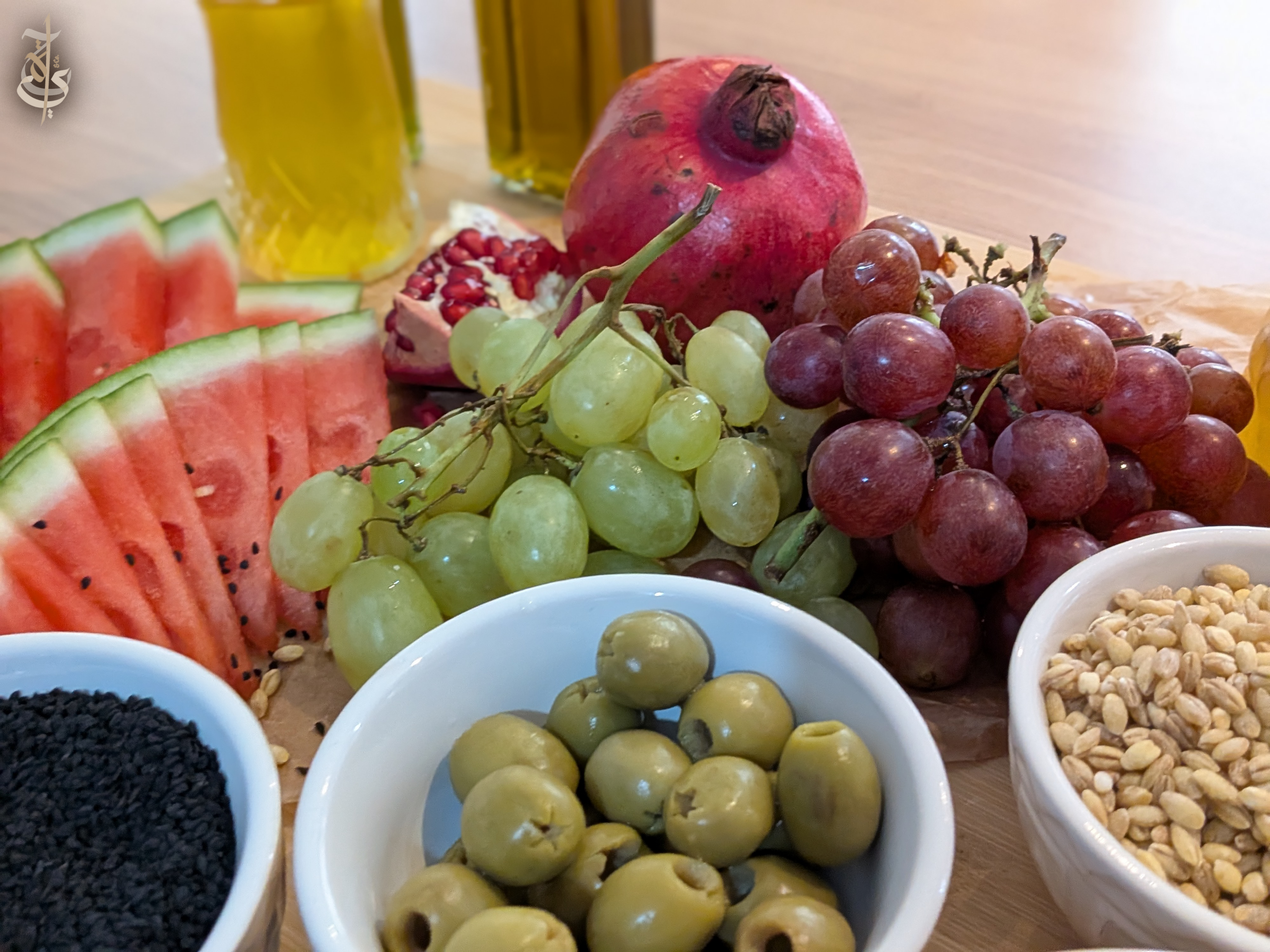
Grapes — عنب
Grapes are listed among Allah’s provisions (Qur’an 16:11). Hydrating, energising, and effortless to eat, they require nothing but gratitude.
In Ramadan, they revive gently. In daily life, they remind us that provision often arrives already prepared.
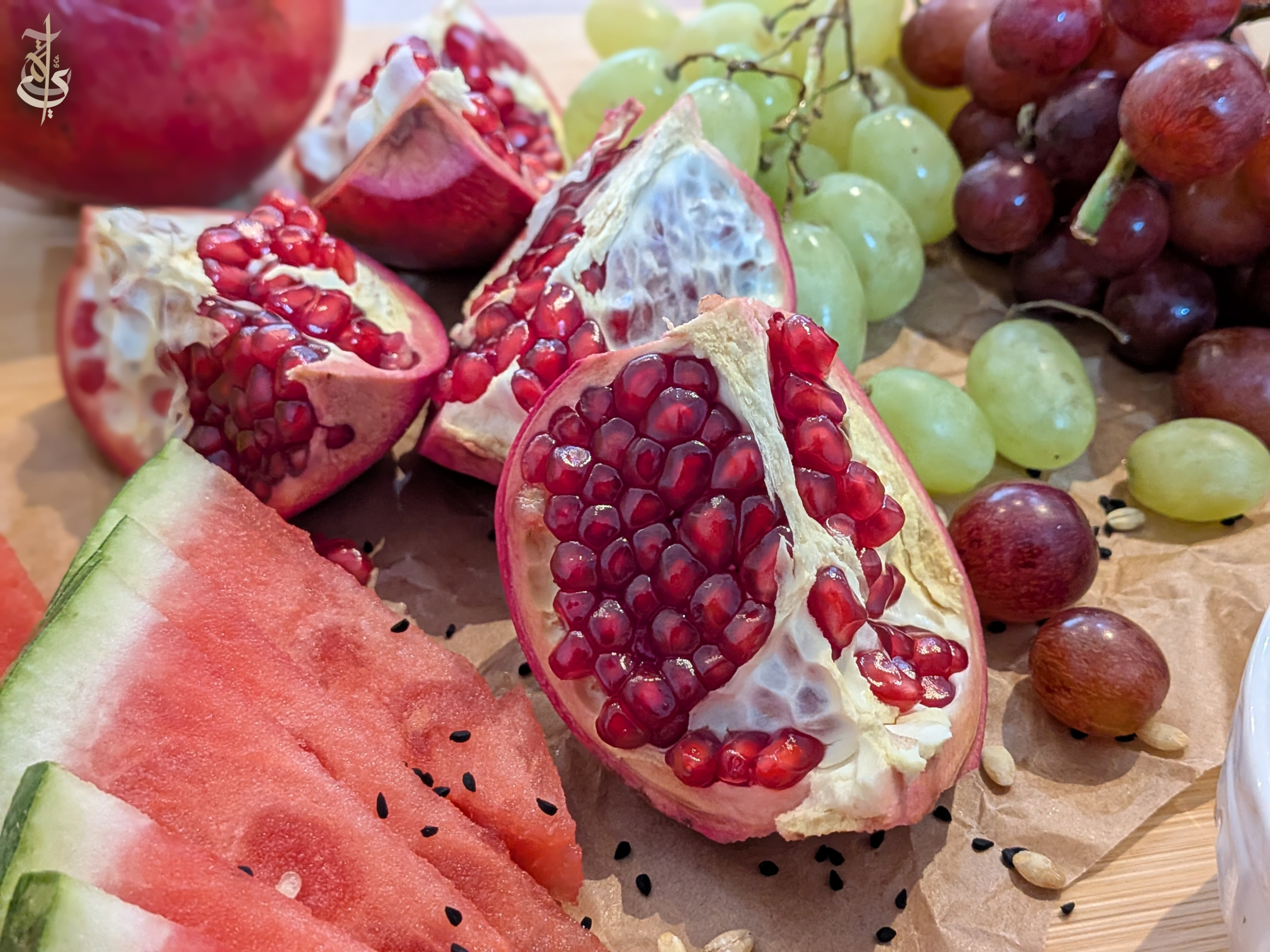
Pomegranate — رمان
Mentioned among the fruits of Paradise (Qur’an 55:68), the pomegranate is layered, effort before reward.
Rich in antioxidants and nutrients, it refreshes without excess. Spiritually, it mirrors discipline: patience before sweetness.
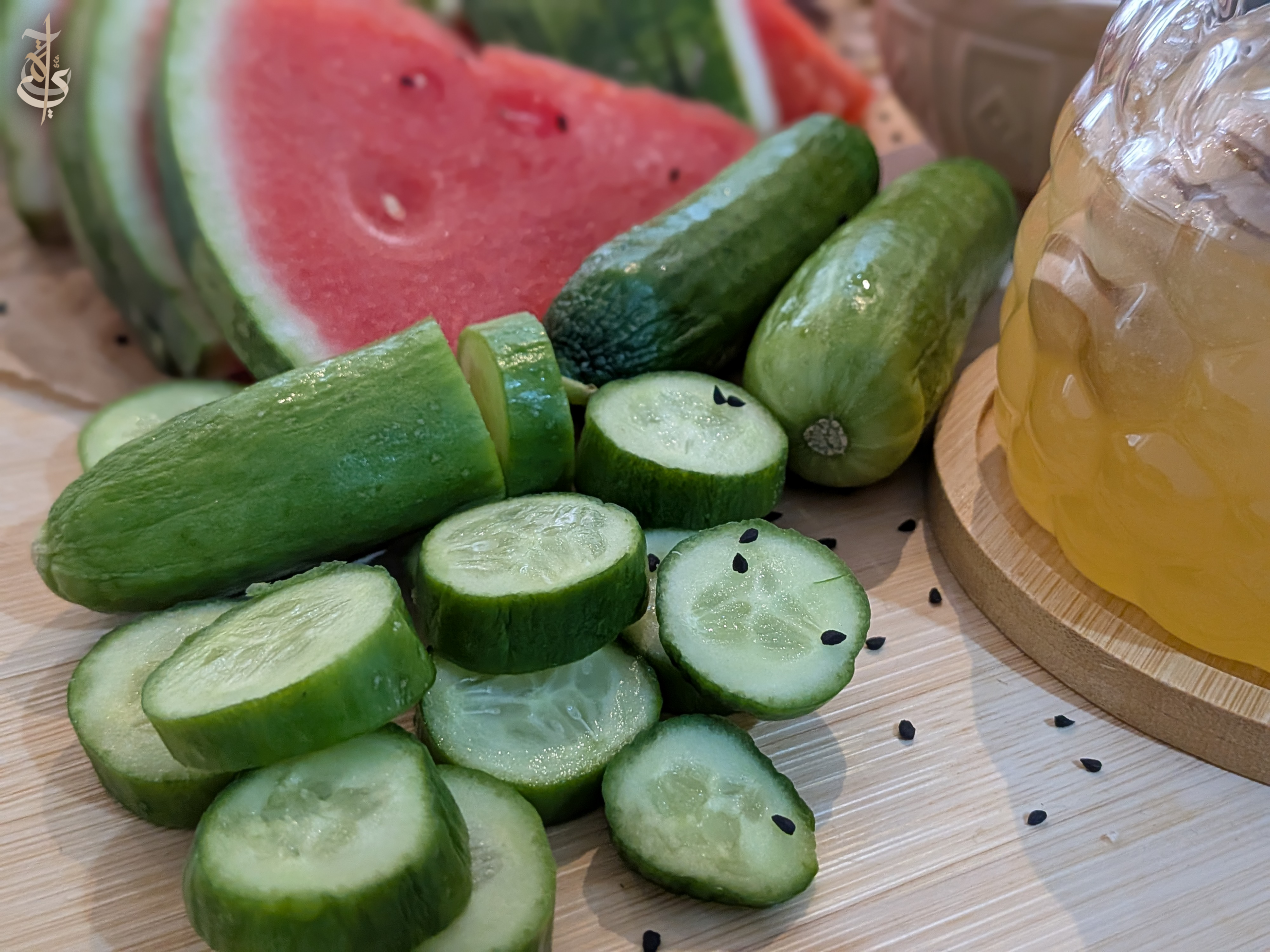
Cucumber & Watermelon — خيار / بطيخ
The Prophet ﷺ paired foods intentionally, eating cucumber or melon with dates to balance hot and cool (Sunan Abī Dāwūd).
Modern nutrition echoes this wisdom: hydration, cooling, and balance. In Ramadan, they replenish fluids. Beyond it, they remind us that harmony, in food and life, is intentional.
A Quiet Invitation
This is not a diet plan.
It is not a checklist.
And it is not about perfection.
It is simply an invitation to look again at what we eat and why.
Much like we choose quality fuel for our cars to keep them running smoothly, we might ask ourselves what kind of nourishment best supports our bodies, our clarity, and our worship.
Often, what is recommended to us through the Sunnah is exactly what modern science now affirms: whole foods, balance, moderation, and intention.
“Eat and drink, but do not be excessive.”
Qur’an 7:31
As Ramadan approaches, and long after it leaves, may we eat with remembrance, choose with care, and allow nourishment to support worship, not distract from it. May our choices be rooted in wisdom, quietly, consistently.
Hayat & Co — a life lived with intention, here and beyond.
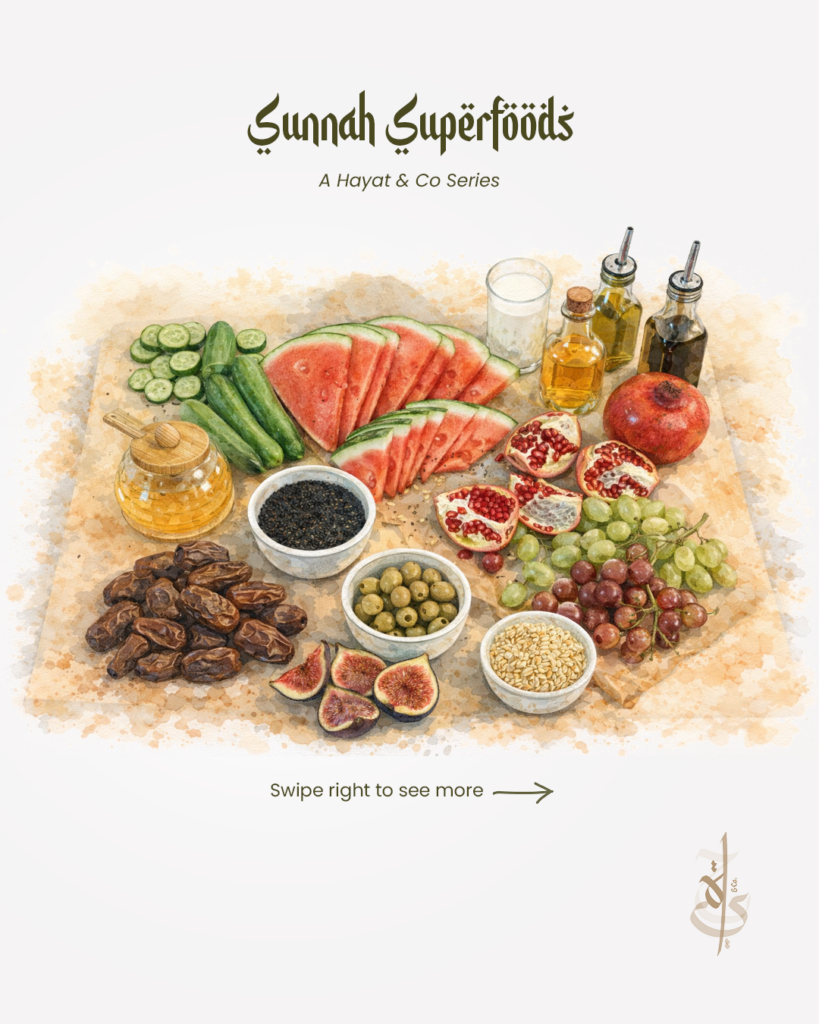
Alongside this post, I’ve put together a downloadable PDF featuring the illustrated sketches of each Sunnah food. You can save it for future reference, return to it throughout Ramadan, or simply keep it as a quiet reminder of intentional nourishment.